%20-%201%20-%20Edited%20(1).png)
Choosing a Summer That Fits Your Child
- UFS Editorial
- Feb 10
- 3 min read
Updated: Feb 10
As summer approaches, many parents of young children find themselves asking a quiet but important question:
What does my child actually need from summer this year?
For children in preschool through elementary school, summer isn’t just time off from school. It’s a different developmental season altogether. Some children need space to move their bodies and burn energy. Others need slower days to recover from a busy school year. Many need both, along with opportunities to play, create, and connect with peers in ways that feel natural rather than pressured.
Instead of thinking of summer as something to “fill,” consider it as something to support.
A Helpful Way to Think About Summer Needs

When families are choosing a summer camp, it’s often tempting to focus on logistics first: hours, weeks offered, cost, and activities. Those things matter. But for younger children, the feel of a day often matters more than the schedule itself.
Here are three questions parents often find useful when thinking about summer experiences for their children:
1. How does a typical day feel for a child?
Is the day fast-paced or unhurried? Loud or calm? Highly structured or flexible?
Young children learn best when their days have a steady rhythm without feeling rushed. Time to play deeply, return to an idea, or linger outdoors allows children to settle into themselves and into relationships.
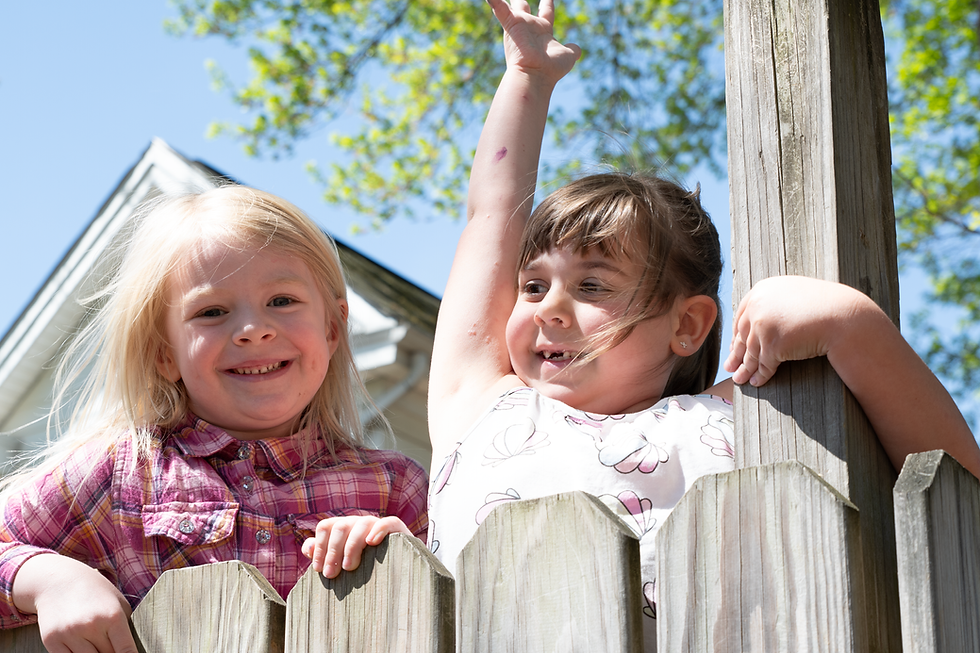
At United Friends School, this is evident in a camp day that unfolds intentionally. Children spend much of their time outdoor in the garden, on the playground, and in nearby green spaces where movement, imagination, and social play happen naturally. Rather than rotating quickly between activities, campers are given time to dig in, build, invent games, and explore at their own pace.
2. What happens when a child hesitates or struggles?
Every child approaches new experiences differently. Some jump right in. Others need time to watch, think, and feel safe before joining.
Summer can be a powerful time for building confidence when children are trusted to engage in their own way. Camps that treat participation as an invitation rather than an expectation allow children to develop self-awareness, resilience, and a sense of belonging.
This philosophy is woven throughout UFS Summer Camp. Children are welcomed whether they dive into an activity immediately, observe quietly at first, or move back and forth between the two. Teachers pay attention to how each child engages and support them accordingly, helping children learn that their way of being in the world is respected.
3. What kinds of connections are children building?
For younger children, friendships are still forming skills. Learning how to listen, take turns, work through disagreements, and celebrate one another takes practice and support.
Camps that emphasize cooperation over competition help children develop these skills in meaningful ways. At UFS, this is grounded in Quaker values such as kindness, respect, stewardship, and shared responsibility. Children are encouraged to solve problems together, care for their environment, and notice how their actions affect others.
What This Looks Like in Practice

At United Friends School Summer Camp, these ideas come to life through weekly themes that invite curiosity, creativity, and collaboration.
Children might spend a week building and problem-solving with blocks and puzzles, exploring nature in the garden and local creek, or creating stories and performances together. Other weeks focus on movement and playful athletics, sensory exploration, or creatingart and food with their hands.
Across all themes, the emphasis stays the same:
Process over product
Collaboration over comparison
Curiosity over constant output
Each week also includes moments of rhythm and reflection, including a child-centered Meeting for Worship that offers a gentle pause in the day. These moments help children feel grounded and connected to the group in ways that are accessible and meaningful for young campers.
The Role of Joy and Ritual
Summer should feel joyful. Simple rituals can help children mark time and feel connected. At UFS, shared Friday pizza lunches, fresh fruit, and an icy treat help close the week with celebration and community. These small, predictable moments often become the ones children remember most.
Honoring Childhood

Ultimately, thinking about summer through your child’s eyes means recognizing that growth doesn’t always look like achievement. Sometimes it looks like a child who feels comfortable trying something new. A friendship that deepens over repeated play. A sense of confidence that comes from being trusted.
Summer camps don’t all need to look the same. What matters most is choosing an environment that aligns with your child’s needs right now.
For families seeking a summer experience that is spacious, inclusive, and rooted in connection, UFS Summer Camp offers one thoughtful model of what summer can be - a season where childhood is honored, learning feels joyful, and each child is encouraged to grow in confidence, curiosity, and care for others.


Comments